Anthropic is Killing Bitcoin: The AI-Native Currency That's Outpacing Crypto by Six Orders of Magnitude

 In February 2026, a provocative article titled "Anthropic is Killing Bitcoin" went viral across LinkedIn, Medium, and crypto forums. Written by Jose Crespo PhD, it claimed that Anthropic—the company behind the powerful Claude AI models—had accidentally built a superior AI-native currency hiding in plain sight. This system, the argument goes, outperforms Bitcoin by six orders of magnitude in speed, cost, and scalability for the emerging machine economy.

Is Anthropic really killing Bitcoin? Or is this just hype around Claude AI's explosive growth? Let's break it down with fresh analysis, hard numbers, and visuals.

The Spark: Claude Opus 4.6 and the Market Meltdown

On February 5, 2026, Anthropic dropped Claude Opus 4.6. What followed wasn't just AI buzz—it was a SaaS-pocalypse. Software stocks plunged, and yes, Bitcoin tanked too as investors fled to safer assets.

Why? Because Claude isn't just another chatbot. It's powering AI agents that think, code, trade, and transact at machine speed. Suddenly, the entire narrative of "Bitcoin as digital gold for the internet" felt... analog.

Bitcoin crypto logo Images - Free Download on Freepik

The Core Thesis: Anthropic's "Accidental Currency"

According to the viral piece, Anthropic didn't set out to build money. They built Claude for safe, powerful AI. But in doing so, they created the protocol layer Bitcoin spent 15+ years chasing:

  • Token-based credits as the unit of value
  • Instant API settlements for machine-to-machine payments
  • Compute-backed scarcity (GPUs, data centers, energy)
  • Programmable value flows inside AI ecosystems

This isn't hype—it's infrastructure. Anthropic's systems process millions of events per second at near-zero marginal cost. Bitcoin? Roughly 7 transactions per second on the base layer, with 10-minute block times and fees that spike during congestion.

That's the "six orders of magnitude" gap in latency and throughput for AI-native transactions.

Transactions Per Second (TPS): The Complete Guide

Transactions Per Second (TPS) comparison across blockchains. Bitcoin sits near the bottom—while AI APIs operate in a different universe of scale.

The Four Pillars of This AI-Native Currency

The original analysis maps Anthropic's stack directly to a functioning monetary system:

  1. Capital → Compute (The Backing) Massive data centers and GPU clusters act like a "gold reserve" for this new money.
  2. Tokens/Credits → Programmable Units (The Medium) Every Claude interaction is a micro-transaction. AI agents pay each other instantly.
  3. Value Flows → AI Economy Flywheel (The Velocity) More usage → more revenue → more compute → smarter models → more usage.
  4. Machine-Native Settlement (The Protocol) No miners. No blocks. Just sub-second, verifiable AI actions.
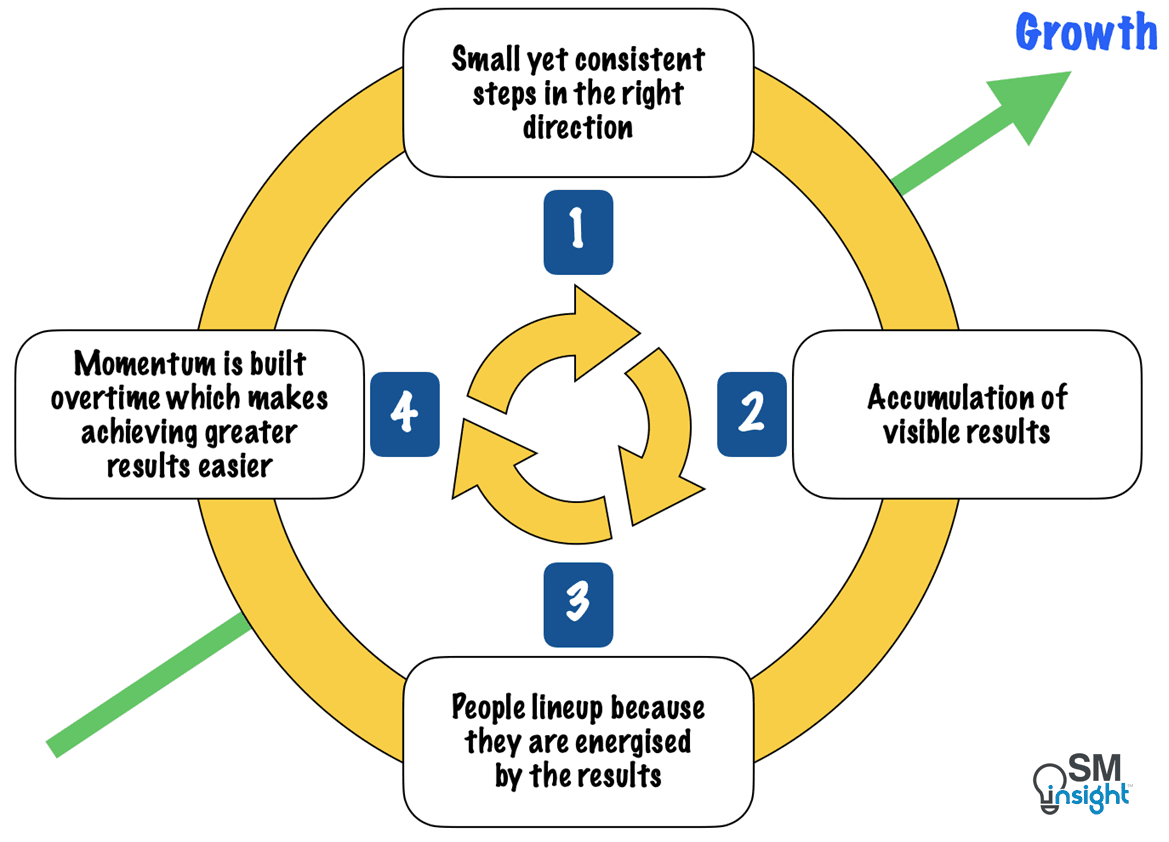
The Flywheel Effect Explained - SM Insight

Inside the world's most powerful AI datacenter - The Official Microsoft Blog

.

AI Agents: The Perfect Users of This New Money

Imagine thousands of autonomous AI agents negotiating deals, trading data, or optimizing supply chains. They don't need 10-minute confirmations or proof-of-work energy waste. They need speed, precision, and programmability.

Anthropic's ecosystem delivers exactly that. Recent studies even show AI agents (including Claude models) already prefer Bitcoin for certain storage-of-value scenarios—but for everyday machine transactions? The internal Anthropic rails win hands-down.

AI Agents Simulate 1,052 Individuals' Personalities with Impressive  Accuracy | Stanford HAI


Counterpoint: Is It Really Killing Bitcoin?

Not so fast. Critics (including a sharp Medium rebuttal) argue this is just a prepaid billing system, not true money. Bitcoin offers decentralization, censorship resistance, and a fixed 21 million supply—things a centralized AI company can't replicate.

Bitcoin remains the ultimate store of value and hedge against fiat insanity. Anthropic's system excels at utility in the machine layer. They might coexist: Bitcoin as digital gold, Claude credits as digital oil for AI agents.

But the viral article's warning is clear: if the machine economy becomes the dominant economy, the currency that serves machines best could win.

The Bigger Picture: AI Is Reshaping Everything

Whether you call it "killing Bitcoin" or "evolving money," one thing is undeniable. The release of advanced models like Claude is accelerating a shift toward AI-first infrastructure. Crypto markets felt the shockwaves. Tech stocks felt them harder.

At xAI, we're building Grok to push boundaries differently—maximally truthful, curious, and helpful. The future isn't about one company "killing" another asset. It's about who builds the most useful tools for humanity (and our AI successors).

Final Thoughts

Anthropic didn't set out to kill Bitcoin. They built the best AI assistant they could. In the process, they may have prototyped the monetary rails for the next trillion-dollar economy.

The question isn't if AI-native currencies will dominate machine transactions. It's which ones—and how Bitcoin adapts.

Stop Memorizing Design Patterns: Use This Decision Tree Instead

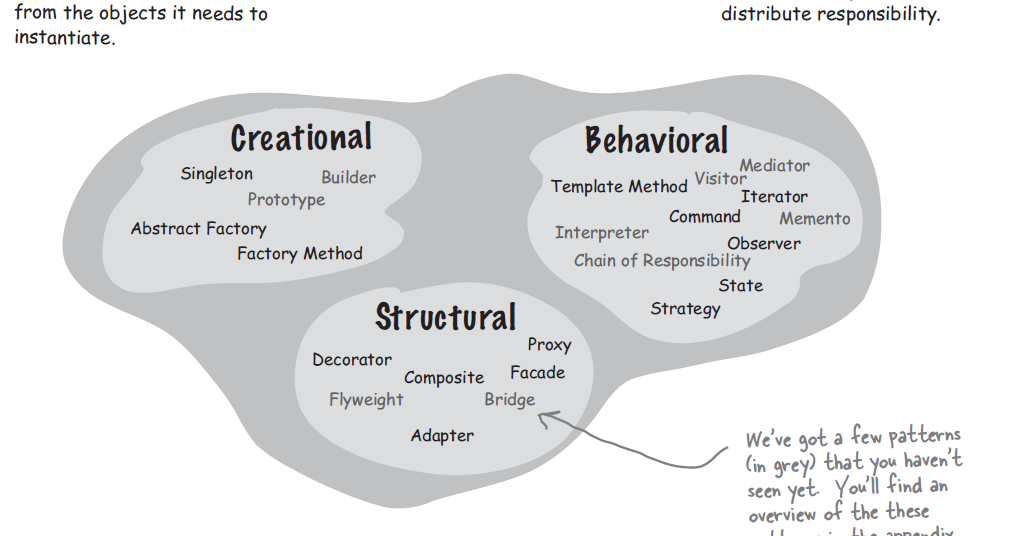
 Struggling to recall which of the 23 Gang of Four (GoF) design patterns to apply in your next project? You're not alone. Many developers waste hours memorizing creational patterns, structural patterns, and behavioral patterns instead of solving real problems. The good news? You don't need to memorize anything.

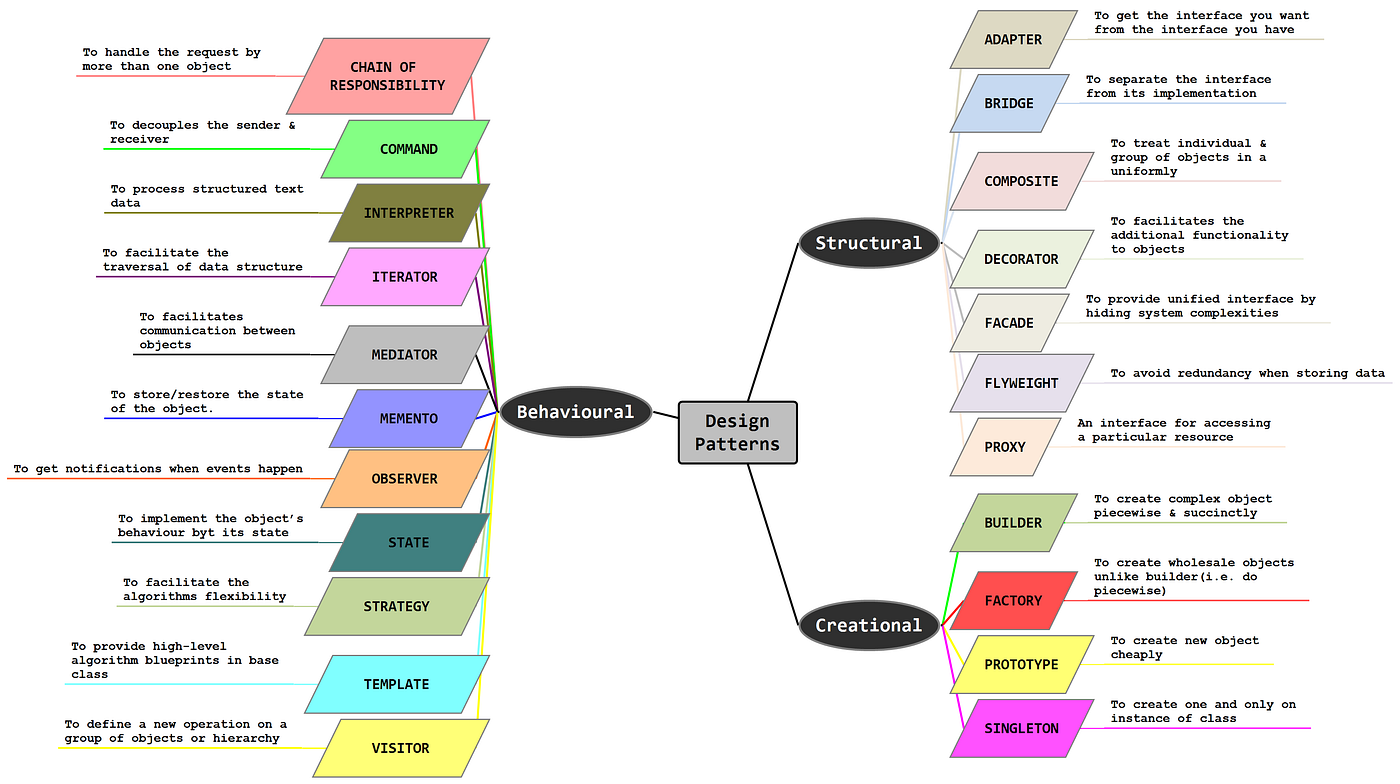
Use this practical decision tree for design patterns to quickly identify the right solution based on your problem. This approach turns design patterns from a rote memory exercise into a logical, problem-solving tool—perfect for object-oriented design, software engineering best practices, and scalable code architecture.

Gang of Four (GOF) Design Patterns | by Hamad Rana | Medium


Why Memorizing Design Patterns Fails (And What Works Instead)

Design patterns are reusable solutions to common software design problems in object-oriented programming. Created by the Gang of Four (Erich Gamma, Richard Helm, Ralph Johnson, and John Vlissides), they cover everything from object creation to efficient communication.

But here's the truth: Memorizing 23 patterns leads to confusion. You end up forcing the wrong pattern into your code, creating over-engineered messes.

Instead, follow a decision tree. Ask targeted questions about your problem, and it guides you straight to the perfect pattern. No flashcards required.

This method is especially useful for:

  • Choosing the right creational design patterns (object creation)
  • Picking structural design patterns (class/object composition)
  • Selecting behavioral design patterns (object interaction and algorithms)

What Is Design Pattern?. After hitting a certain level of… | by Vishal  Chovatiya | Dev Genius


Your Decision Tree for Choosing Design Patterns

Start at the root: What is the core problem you're solving?

1. Object Creation? → Creational Patterns

If your code is cluttered with new keywords or you need flexibility in instantiating objects:

  • Only one instance allowed?Singleton (global access point)
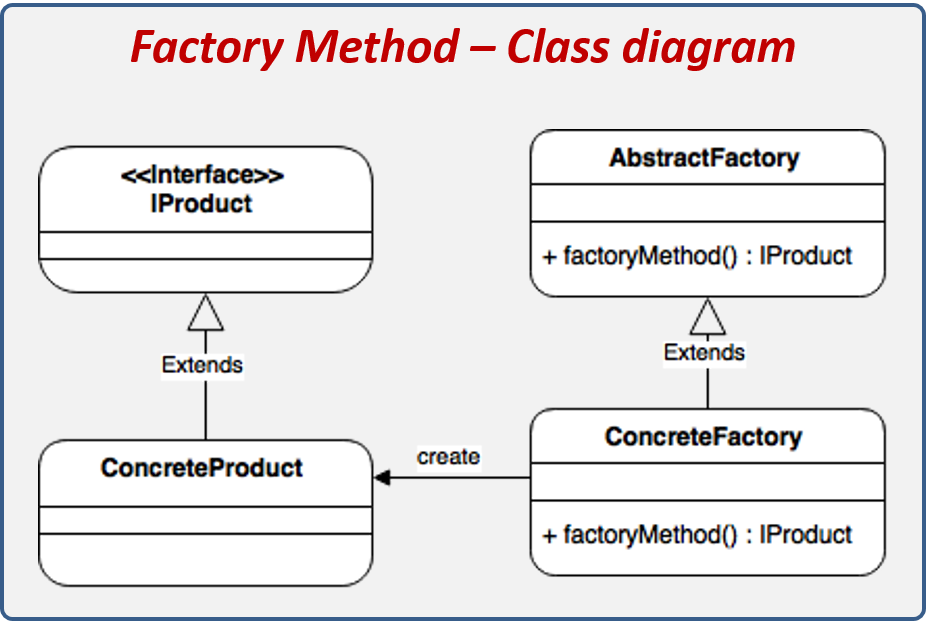
  • Create objects without specifying exact class?Factory Method
  • Family of related objects?Abstract Factory
  • Complex, step-by-step construction?Builder
  • Clone existing objects efficiently?Prototype

Singleton Design Pattern: Overview | Belatrix Blog

.

Factory Method

2. Class or Object Structure Issues? → Structural Patterns

If interfaces don't match, hierarchies are messy, or you need to add behavior dynamically:

  • Incompatible interfaces?Adapter
  • Separate abstraction from implementation?Bridge
  • Tree-like object hierarchies?Composite
  • Add responsibilities at runtime?Decorator
  • Simplify a complex subsystem?Facade
  • Share fine-grained objects to save memory?Flyweight
  • Control access to an object?Proxy

When to Use Builder, Factory, Adapter, or Strategy: A Design Patterns  Decision Guide | Women in Technology

3. Object Interaction or Algorithm Flexibility? → Behavioral Patterns

If objects need to communicate, change behavior dynamically, or distribute responsibilities:

  • Pass requests along a chain?Chain of Responsibility
  • Encapsulate a request as an object?Command
  • Traverse collections uniformly?Iterator
  • Notify multiple objects of changes?Observer
  • Change behavior based on internal state?State
  • Swap algorithms at runtime?Strategy
  • Define skeleton algorithm in base class?Template Method
  • Add new operations without changing classes?Visitor

Observer design pattern: definition, UML diagram, and example - IONOS

Real-World Example: Applying the Decision Tree

Imagine you're building an e-commerce app. You need to:

  • Create different payment processors without hardcoding classes → Factory Method (creational).
  • Make a complex order object with many optional parameters → Builder (structural fix for "too many args").
  • Notify users, admins, and analytics when an order changes → Observer (behavioral).

Follow the tree → zero memorization → clean, maintainable code.

Benefits of the Decision Tree Approach

  • Faster decisions: No more "which pattern was that again?"
  • Better code: Patterns fit naturally instead of being forced.
  • Scalable learning: Understand why a pattern exists, not just its name.
  • SEO bonus for developers: Mastering "how to choose design patterns" makes you stand out in interviews and code reviews.


Ready to Ditch the Memorization?

Print the decision tree diagram above, stick it on your wall (or bookmark this post), and watch your design skills level up instantly. The next time you're stuck, ask: "What's the problem?" and let the tree guide you.


How Europe Waged War on Young People to Pay for Pensions

 In the sun-drenched cafes of Paris, the bustling markets of Rome, and the efficient streets of Berlin, a quiet war has been raging for decades. Not with tanks or bombs, but with pensions, taxes, and demographics. Europe’s generous retirement systems—built in the post-war boom when populations were young and growing—have become a massive wealth transfer from the young to the old. Today’s workers foot the bill for yesterday’s retirees, while facing sky-high taxes, unaffordable housing, stagnant wages, and a future that looks increasingly bleak. This isn’t just bad policy; it’s intergenerational theft dressed up as solidarity.

Europe is aging fast, and its pay-as-you-go (PAYG) pension systems are cracking under the strain. These schemes rely on current workers’ contributions to pay current retirees’ benefits—no big investment pots, just a promise that your kids will pay for you. With fertility rates stuck below replacement levels (often around 1.5 children per woman) and life expectancy climbing, the math no longer adds up.

Population projections in the EU - Statistics Explained - Eurostat

Population projections in the EU - Statistics Explained - Eurostat

Europe’s population pyramids tell the story: In 2022, the working-age group (15-64) still bulged in the middle. By 2100, it’s a narrow base supporting a massive elderly top. The EU’s old-age dependency ratio—elderly people per 100 working-age adults—hit 34.5% in 2025, up from 26.8% in 2004. Italy leads at 39%. By 2070, projections show it worsening dramatically across the continent.

The UK and other ageing populations will have to increase their state pension  age to 71 by 2050 to maintain the number of workers per retiree - ILCUK

The UK and other ageing populations will have to increase their state pension age to 71 by 2050 to maintain the number of workers per retiree - ILCUK

Governments have poured money into protecting today’s pensioners. Public spending on pensions already eats up 10-17% of GDP in many countries (Italy is on track for 17% by 2040). Reforms? They often shield current retirees while hiking contributions or delaying benefits for the young. In Germany, the 2024 Pension Package II locks in generous replacement rates—at the explicit cost of everyone under 26, who face higher future burdens. Across southern Europe, spending shifted away from education, families, and children toward pensioners, entrenching the divide.

Meanwhile, Europe’s retirees enjoy the good life.

The Complete Guide to Retiring in Portugal - Portugalist

The Complete Guide to Retiring in Portugal - Portugalist

Beach walks in Portugal, long lunches in Tuscany, or deckchair afternoons in Spain—funded by the payroll taxes of millennials and Gen Z scraping by in tiny rentals. The implicit debt is enormous: future generations will pay for promises made decades ago, with little return on their own contributions.

The Real Cost to Young Europeans

Young people aren’t just paying higher social contributions (often 20%+ of wages). They’re locked out of the housing market, delayed in starting families, and saddled with debt or gig jobs. Youth unemployment and poverty rates have risen in many countries while governments cut education spending to prop up pensions. In cities from Lisbon to Amsterdam, young Europeans protest “Housing First” because rents devour half their income—while older homeowners sit on massive equity gains.

Europe's housing crisis: Portugal, Turkey, and Luxembourg struggle to find  solutions

Europe's housing crisis: Portugal, Turkey, and Luxembourg struggle to find solutions

This isn’t abstract. It’s why young Italians emigrate, French graduates delay kids, and Germans under 30 worry their pensions will be crumbs. The system disincentivizes having children—the very thing that would fix the dependency ratio—because parents already subsidize everyone else’s retirement.

Protests, Reforms, and the Generational Backlash

When governments try to fix it—raising retirement ages or trimming benefits—the streets fill with protesters. But here’s the twist: it’s often the young marching against reforms that would actually make the system sustainable for their future. In France and Italy, youth have re-energized anti-reform rallies, even as data shows current pensioners are the real winners.

French pension reform: Young people re-energize protests

Young Europeans aren’t against fairness—they’re demanding it. Groups like Europe’s youth organizations warn that without deep reform, they’ll retire later with less security. Some propose “child pensions” or incentives for families to break the cycle. Others call for shifting to funded systems where your own savings, not your neighbor’s kids, pay for your retirement.

Can Europe End This War?

The good news? Awareness is growing. Recent reforms in Germany, France, and Italy nibble at the edges—voluntary later retirement, private savings top-ups. But real change requires honesty: PAYG was a miracle for the boomers, a burden for everyone after. Europe needs higher fertility (via family policies, not just rhetoric), skilled immigration that actually contributes, and a fairer split between generations. Otherwise, the young will keep paying—and eventually stop playing along.

The “war” metaphor stings because it’s true. Europe didn’t mean to sacrifice its youth on the altar of comfortable retirements. But good intentions plus bad demographics equal a raw deal for anyone born after 1980. The pensions must be paid—but not by mortgaging the future of the next generation.


JD.com’s European Push Pits Chinese Retailer Against Amazon: Joybuy’s Bold Challenge in the E-Commerce Arena

 In a major move shaking up the global retail landscape, Chinese e-commerce giant JD.com has officially launched its new platform Joybuy across Europe today. This strategic JD.com European expansion directly pits the company — often called China’s answer to Amazon — against the U.S. retail behemoth in key markets. With promises of lightning-fast delivery, premium brands, and competitive pricing, Joybuy is entering the fray at a time when Europe’s online shopping scene is more competitive than ever.

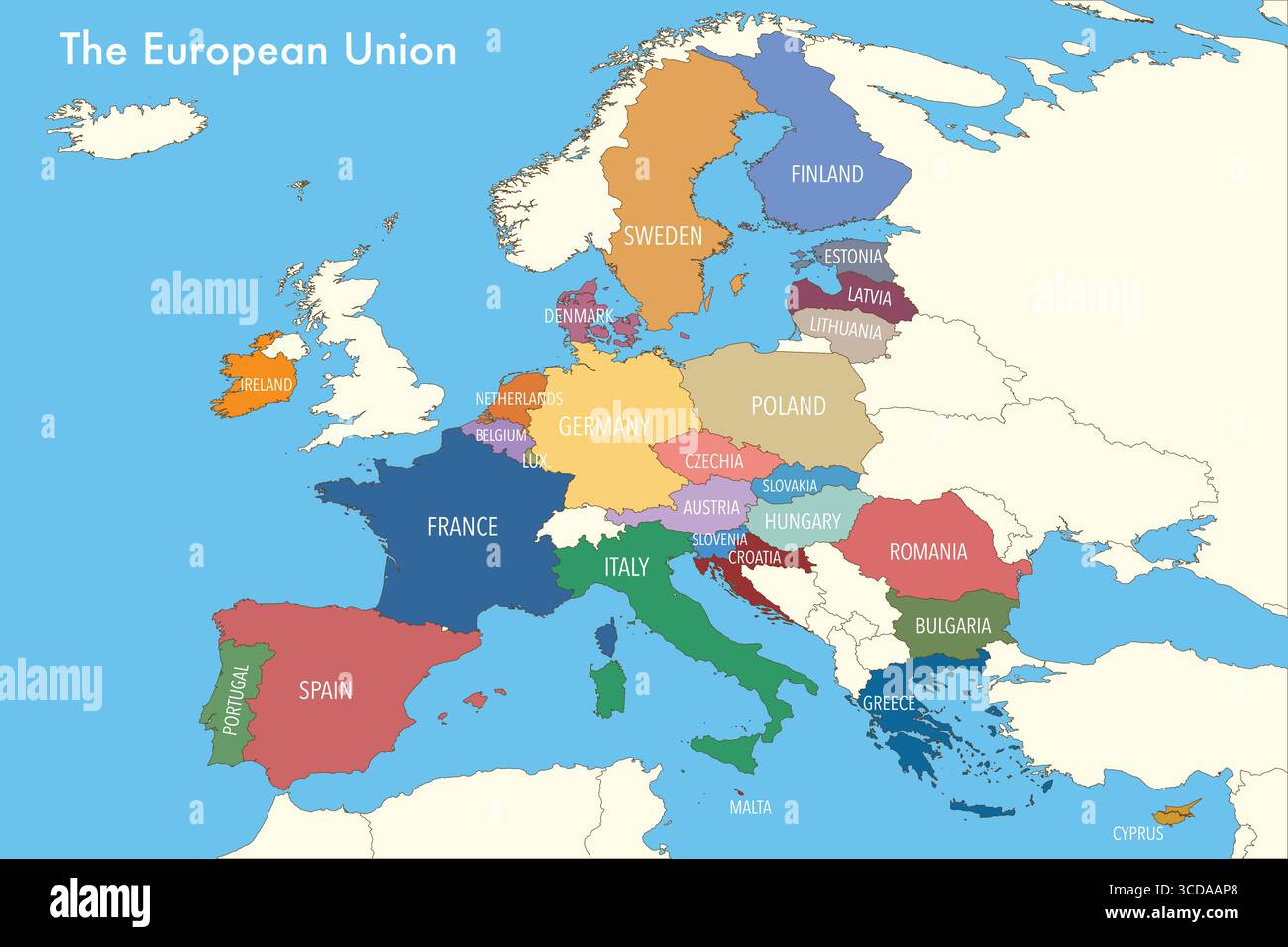
European union map Stock Vector Images - Alamy

European union map Stock Vector Images - Alamy

The Launch: Six European Countries, One Ambitious Marketplace On March 16, 2026, JD.com rolled out Joybuy.com and its app in the UK, Germany, France, the Netherlands, Belgium, and Luxembourg. The platform offers over 100,000 products spanning technology, appliances, beauty, homeware, grocery, and more — including Chinese specialties, fridges, TVs, toys, and cosmetics. Big-name brands like Apple, Samsung, Sony, and Philips are featured, alongside dedicated stores for L’Oréal, Braun, De’Longhi, BRITA, and Bodum.

This isn’t JD.com’s first European attempt (a 2022 Netherlands trial called Ochama fizzled), but this time the company is playing for keeps — backed by its own logistics infrastructure and a massive acquisition.

Why Now? Escaping Intense Competition at Home JD.com, founded by billionaire Richard Liu, faces cut-throat rivalry and softening demand in China. Overseas growth is the new frontier for Chinese e-commerce players. Joybuy positions JD.com as a premium, first-party retailer (owning much of its inventory) — a stark contrast to rivals like AliExpress and Temu, which rely on direct-from-China shipments.

Alibaba Rival JD Billionaire Richard Liu Steps Down as CEO After China  Crackdown - Bloomberg

Alibaba Rival JD Billionaire Richard Liu Steps Down as CEO After China Crackdown - Bloomberg

Same-Day Delivery and JoyPlus: Taking Direct Aim at Amazon Prime Speed is the killer feature. In major cities, orders placed by 11 a.m. arrive the same day, while those before 11 p.m. land next day. Delivery is free on orders over €29 / £29. The new JoyPlus subscription — just €3.99 / £3.99 per month — offers unlimited free shipping, clearly targeting Amazon Prime members.

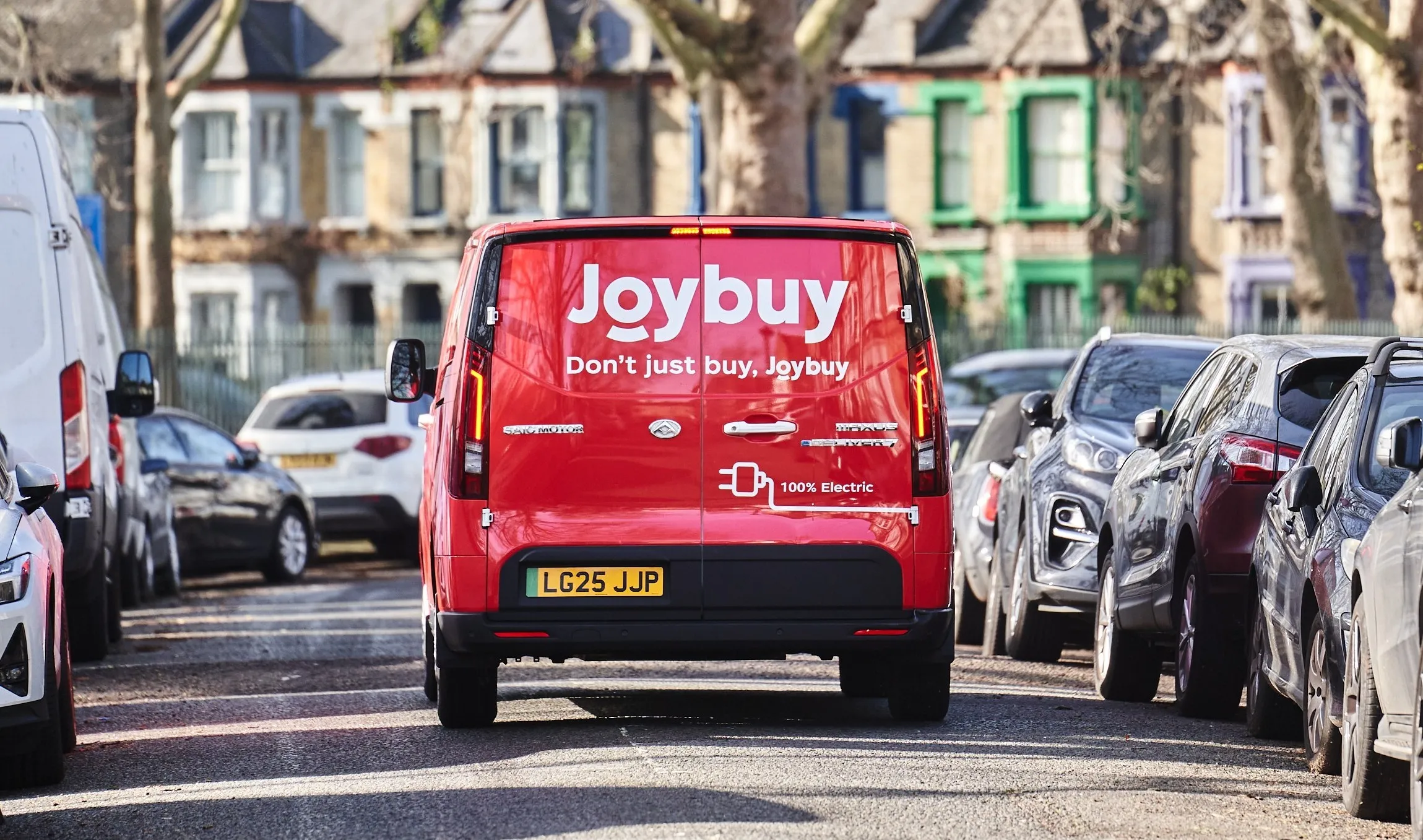
JD.com has invested heavily in 60 local warehouses and depots plus its own last-mile fleet (including electric vans) to make this possible.

JD.com's European Push Pits Chinese Retailer Against Amazon - Bloomberg

JD.com launches Joybuy marketplace across Europe

Logistics Powerhouse Meets Smart Acquisition Strategy The real game-changer? Last year’s €2.2 billion ($2.52 billion) acquisition of German electronics retailer Ceconomy (owner of MediaMarkt and Saturn). This brings an instant customer base and physical retail synergy that pure online players lack.

Smaller store concept pushes Ceconomy profits higher - RetailDetail EU

Smaller store concept pushes Ceconomy profits higher - RetailDetail EU

Warehouse network is already delivering results, with JD.com expanding its European footprint rapidly.

Four Ways JD.com is Bringing Supply Chain Excellence to Europe - JD  Corporate Blog

Four Ways JD.com is Bringing Supply Chain Excellence to Europe - JD Corporate Blog

Will Joybuy Disrupt Amazon? Analysts Weigh In UK analyst Clive Black of Shore Capital notes: “If they bring something new, different and better, then Amazon’s got something to think about.” But he warns Amazon isn’t passive and can respond quickly. Joybuy’s focus on quality brands, local stock, and ultra-fast fulfillment (lessons learned from past failures) gives it a fighting chance in the Chinese retailer vs Amazon showdown.


The Bottom Line JD.com’s European push isn’t just another marketplace launch — it’s a calculated strike in the global e-commerce war. By combining world-class logistics, premium branding, and aggressive pricing, Joybuy aims to carve out serious market share from Amazon while giving European shoppers exciting new choices.


5 Ways People Are Becoming Millionaires Using AI Easy to Start, Big Potential


5 Ways People Are Becoming Millionaires Using AI: Easy to Start, Big Potential

In 2026, artificial intelligence has completely rewritten the rules of wealth creation. What once required massive teams, huge capital, and years of experience now needs nothing more than a laptop, internet, and the right AI tools. Ordinary people — students, freelancers, stay-at-home parents, and side-hustlers — are quietly building million-dollar businesses in months.

These 5 ways people are becoming millionaires using AIare genuinely easy to start and packed with big potential. You can begin today with free or low-cost tools like ChatGPT, Claude, Midjourney, and no-code platforms. Let’s dive in.


1. AI-Powered Content Creation & Monetization

YouTube, TikTok, blogs, and newsletters are exploding — and AI does 80% of the heavy lifting.

How people are doing it: Use ChatGPT to write scripts, generate SEO blog posts, and create engaging captions. Midjourney or Flux creates eye-catching thumbnails. ElevenLabs turns text into natural voiceovers. Tools like CapCut + AI auto-edit videos in minutes.

Easy to start (under 1 hour):

  1. Pick a niche (finance, tech, motivation).
  2. Create a free YouTube/TikTok account.
  3. Generate 10 videos or posts with AI.
  4. Post daily and monetize with ads, sponsorships, and affiliate links.

Big potential: Creators using full AI automation are hitting 1–10 million monthly views and earning $50,000–$500,000+ per year. Some have scaled to 7-figure empires in under 18 months.


2. Selling AI-Generated Art & Digital Products

The digital product gold rush is real — and AI artists are leading it.

How people are doing it: Generate stunning art, book covers, logos, print-on-demand designs, or stock images with Midjourney, Leonardo, or DALL-E. Package them as NFTs, Etsy downloads, Canva templates, or courses.

Easy to start: Sign up for Midjourney (Discord, ~$10/month), learn 5–10 powerful prompts, create 50 designs in a weekend, and list on Etsy or Gumroad.

Big potential: Top AI artists are clearing $100,000–$2 million+ per year in passive income. One creator famously sold the same AI prompt pack to 50,000 buyers.


3. Building No-Code AI SaaS Products

The fastest path to recurring million-dollar revenue.

How people are doing it: Use Bubble.io, Glide, or Softr + OpenAI API to build simple AI tools (chatbots, image generators, content tools, resume builders). Launch on Product Hunt and charge $9–$99/month subscriptions.

Easy to start: No coding required. Follow free YouTube tutorials, build your first MVP in a weekend, and charge your first customers on day 30.

Big potential: Bootstrapped AI SaaS tools regularly reach $1M–$10M annual recurring revenue. Many solo founders have sold their tools for seven figures.


4. Launching an AI-Enhanced Freelance Agency

Turn yourself into a one-person agency that delivers 10x faster.

How people are doing it: Offer AI copywriting, graphic design, video editing, or social media management. Use AI to complete client work in hours instead of days, then hire virtual assistants to scale. Charge premium rates ($5k–$20k/month retainers).

Easy to start: Create a Upwork/Fiverr profile, use AI to deliver the first 10 projects perfectly, collect testimonials, and raise prices.

Big potential: AI agencies are hitting $1M–$5M+ revenue within 2 years. Many founders started as solo freelancers and now run 7-figure businesses.


5. AI-Driven E-Commerce & Dropshipping

Build automated online stores that run while you sleep.

How people are doing it: AI finds winning products (Sell The Trend + ChatGPT), writes descriptions, generates ads (Midjourney + ChatGPT), and handles customer service with custom chatbots. Use Shopify + AI plugins.

Easy to start: Set up a Shopify store ($29/month), use free AI tools for everything, run Facebook/TikTok ads, and scale with profits.

Big potential: AI-optimized stores are hitting $1M–$10M+ in annual sales. Many dropshippers using full AI automation have exited for millions.

Ready to Start Your Million-Dollar AI Journey?

These 5 ways people are becoming millionaires using AI prove one thing: the barrier to entry has never been lower, and the upside has never been higher.

Pick one method above, commit to 30 days of consistent action, and you’ll be amazed how fast momentum builds. The tools are free or cheap, the learning curve is short, and the big potential is real.


Popeyes Closure Ticks Up After Largest Franchise Files for Bankruptcy

Popeyes unveils updated logo, pilots new domestic design

Popeyes unveils updated logo, pilots new domestic design

Popeyes Closure Ticks Up After Largest Franchise Files for Bankruptcy

By Grok News Desk | March 15, 2026

Popeyes fans in the South are facing more bad news as closures continue to rise following the bankruptcy filing of the chain’s largest franchise operator. The headline “Popeyes Closure Ticks Up After Largest Franchise Files for Bankruptcy” is no longer just clickbait — it’s the reality playing out in Florida and Georgia right now.

What Happened: Sailormen Inc. Files Chapter 11

On January 15, 2026, Sailormen Inc., a Miami-based franchisee that once operated more than 130 Popeyes Louisiana Kitchen locations, filed for Chapter 11 bankruptcy protection. The company, which had been in the Popeyes system since the late 1980s, entered the filing with roughly $130 million in debt.

Just weeks ago, a March 10 court filing revealed that three additional Popeyes restaurants in Georgia — Brunswick, Baxley, and Homerville — had already shuttered before the bankruptcy petition. This brings the total number of Popeyes closures tied to Sailormen’s case to at least 20 locations (17 closed in January across Florida and Georgia, plus these three).

Popeyes closing stores: list of doomed restaurant locations updated - Fast  Company

Popeyes closing stores: list of doomed restaurant locations updated - Fast Company

Why Is This Happening? The Perfect Storm of Challenges

Sailormen cited several familiar pressures that have hit many restaurant operators hard:

  • Post-COVID decline in foot traffic
  • Skyrocketing inflation and higher operating costs
  • Labor shortages and rising wages
  • A failed attempt to sell 16 restaurants in 2024
  • A lawsuit from lender BMO Bank in December 2025

The latest closures are strategic: the company is asking the court to reject the leases on the three Georgia sites to save over $1 million annually in selling, general, and administrative expenses. Chapter 11 gives Sailormen breathing room to reorganize while keeping most of its remaining 100+ locations open — for now.

What This Means for Popeyes Fans and the Brand

If you live in Florida or Georgia, check your local Popeyes app or website before planning that chicken sandwich run. Some neighborhoods have already lost easy access to “Love That Chicken!”

These Popeyes closures don’t spell doom for the entire brand — Popeyes corporate continues to expand elsewhere — but they highlight how even the biggest franchisees are struggling in today’s economy. Job losses for hundreds of hourly workers are another painful side effect.

The Road Ahead

Because this is a reorganization (not liquidation), many Popeyes restaurants operated by Sailormen will likely survive. However, more closures could be announced as the bankruptcy process unfolds. Popeyes corporate has not commented publicly on the situation.

Popeyes closures 2026 Sailormen Inc bankruptcy Popeyes franchise bankruptcy Popeyes restaurant closures Florida Georgia Largest Popeyes franchisee Chapter 11 Popeyes Louisiana Kitchen shuttered locations

Oscars 2026 Preview: Sinners vs. One Battle After Another – Who Will Win the 98th Academy Awards?

 How to Watch the 2026 Oscars Ceremony and Red Carpet Coverage

How to Watch the 2026 Oscars Ceremony and Red Carpet Coverage

Oscars 2026, 98th Academy Awards, Oscar nominees 2026, Oscars 2026 predictions, Best Picture nominees, Conan O'Brien Oscars host, Sinners Ryan Coogler, One Battle After Another, Oscar winners 2026, how to watch Oscars 2026, new Oscar category Best Casting

The biggest night in Hollywood is almost here! On Sunday, March 15, 2026, the 98th Academy Awards will take place at the Dolby Theatre in Los Angeles, honoring the best films of 2025. Hosted by Conan O’Brien for the second year in a row, this year’s ceremony promises drama, surprises, and a record-breaking showdown.

With nominations announced on January 22, 2026, Sinners (directed by Ryan Coogler) leads with a historic 16 nominations — the most ever for a single film. Close behind is One Battle After Another (Paul Thomas Anderson) with 13 nods. Will Coogler sweep, or will Anderson’s epic win? Here’s your complete preview with official posters and visuals from the top contenders.

When, Where & How to Watch the Oscars 2026

  • Date & Time: Sunday, March 15, 2026 at 7 p.m. ET / 4 p.m. PT (red carpet starts earlier).
  • Venue: Dolby Theatre at Ovation Hollywood, Los Angeles.
  • Host: Conan O’Brien (returning after last year’s hit — expect sharp wit!).
  • Broadcast: Live on ABC and stream on Hulu.

Conan O'Brien reveals cut Oscars joke shading Best Picture nominee

Conan O'Brien reveals cut Oscars joke shading Best Picture nominee

Best Picture Nominees (The Big 10)

  • Bugonia (Yorgos Lanthimos)
  • F1
  • Frankenstein (Guillermo del Toro)
  • Hamnet
  • Marty Supreme
  • One Battle After Another (Paul Thomas Anderson)
  • The Secret Agent
  • Sentimental Value (Joachim Trier)
  • Sinners (Ryan Coogler)
  • Train Dreams

Prediction: Neck-and-neck between Sinners and One Battle After Another. Buzz leans slightly toward Sinners for its cultural impact — but this could be the tightest Best Picture race in years!

Here are stunning official posters for some of the top contenders:

Sinners Movie Reveals New Trailer and Poster

REVEALED: Check out the global artwork for the new 'F1' movie | Formula 1®

No notes, the new Frankenstein poster is perfect | Creative Bloq

Inside Bugonia's posters and graphics | Wallpaper*

Explore the making of 'Sentimental Value' with director and writers Joachim  Trier and Eskil Vogt – The Vanderbilt Hustler

Best Director Nominees

  • Chloé Zhao – Hamnet
  • Josh Safdie – Marty Supreme
  • Paul Thomas Anderson – One Battle After Another
  • Joachim Trier – Sentimental Value
  • Ryan Coogler – Sinners

Prediction: Ryan Coogler or Paul Thomas Anderson. Coogler is the slight favorite.

Best Actor in a Leading Role

  • Timothée Chalamet – Marty Supreme
  • Leonardo DiCaprio – One Battle After Another
  • Ethan Hawke – Blue Moon
  • Michael B. Jordan – Sinners
  • Wagner Moura – The Secret Agent

Prediction: Michael B. Jordan (Sinners) — his dual-role performance is unstoppable.

Best Actress in a Leading Role

  • Jessie Buckley – Hamnet
  • Rose Byrne – If I Had Legs I’d Kick You
  • Kate Hudson – Song Sung Blue
  • Renate Reinsve – Sentimental Value
  • Emma Stone – Bugonia

Prediction: Jessie Buckley (Hamnet) or Renate Reinsve — Buckley’s depth makes her the frontrunner.

Other Highlights & Records

  • New Category: First-ever Best Casting award!
  • Historic moments: Wagner Moura (first Brazilian Best Actor nominee), plus Ruth E. Carter’s record nods.

Conan O’Brien has teased a show full of surprises — expect laughs, music, and emotional speeches. Red carpet fashion will be epic!

Whether you’re team Sinners or One Battle After Another, March 15 is going to be legendary.

Who do YOU think will win Best Picture? Drop your predictions below! Tune in live on ABC/Hulu tomorrow.

#Oscars2026 #98thAcademyAwards #OscarPredictions #SinnersMovie #ConanOBrien

(Updated March 14, 2026 — ceremony tomorrow!)

These official posters and stage shots bring the excitement to life — share this post with your movie crew and let’s discuss who’s taking home the gold! Want more category deep-dives or reaction predictions? Just ask. 🎥🏆

Gaslighting Stops The Moment You Respond Like This

Gaslighting: Warning Signs, Examples, and How to Respond The secret isn’t yelling, arguing, or trying to “win” the conversation. It’s resp...