In the sun-drenched cafes of Paris, the bustling markets of Rome, and the efficient streets of Berlin, a quiet war has been raging for decades. Not with tanks or bombs, but with pensions, taxes, and demographics. Europe’s generous retirement systems—built in the post-war boom when populations were young and growing—have become a massive wealth transfer from the young to the old. Today’s workers foot the bill for yesterday’s retirees, while facing sky-high taxes, unaffordable housing, stagnant wages, and a future that looks increasingly bleak. This isn’t just bad policy; it’s intergenerational theft dressed up as solidarity.
Europe is aging fast, and its pay-as-you-go (PAYG) pension systems are cracking under the strain. These schemes rely on current workers’ contributions to pay current retirees’ benefits—no big investment pots, just a promise that your kids will pay for you. With fertility rates stuck below replacement levels (often around 1.5 children per woman) and life expectancy climbing, the math no longer adds up.
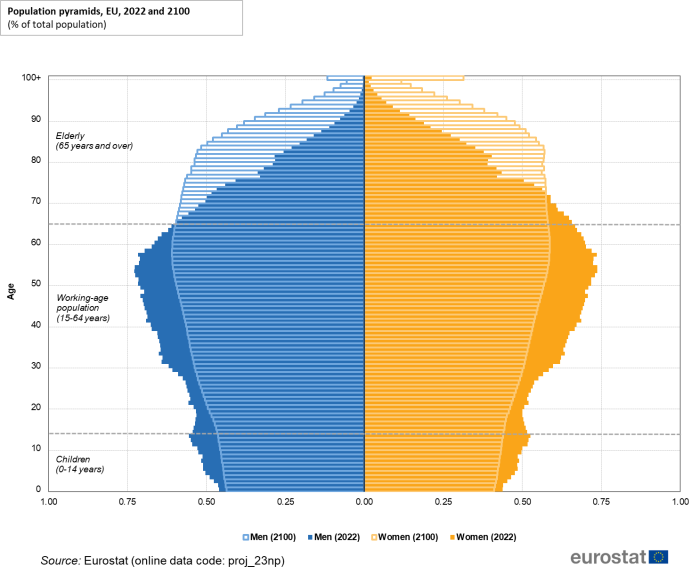
Europe’s population pyramids tell the story: In 2022, the working-age group (15-64) still bulged in the middle. By 2100, it’s a narrow base supporting a massive elderly top. The EU’s old-age dependency ratio—elderly people per 100 working-age adults—hit 34.5% in 2025, up from 26.8% in 2004. Italy leads at 39%. By 2070, projections show it worsening dramatically across the continent.

Governments have poured money into protecting today’s pensioners. Public spending on pensions already eats up 10-17% of GDP in many countries (Italy is on track for 17% by 2040). Reforms? They often shield current retirees while hiking contributions or delaying benefits for the young. In Germany, the 2024 Pension Package II locks in generous replacement rates—at the explicit cost of everyone under 26, who face higher future burdens. Across southern Europe, spending shifted away from education, families, and children toward pensioners, entrenching the divide.
Meanwhile, Europe’s retirees enjoy the good life.

Beach walks in Portugal, long lunches in Tuscany, or deckchair afternoons in Spain—funded by the payroll taxes of millennials and Gen Z scraping by in tiny rentals. The implicit debt is enormous: future generations will pay for promises made decades ago, with little return on their own contributions.
The Real Cost to Young Europeans
Young people aren’t just paying higher social contributions (often 20%+ of wages). They’re locked out of the housing market, delayed in starting families, and saddled with debt or gig jobs. Youth unemployment and poverty rates have risen in many countries while governments cut education spending to prop up pensions. In cities from Lisbon to Amsterdam, young Europeans protest “Housing First” because rents devour half their income—while older homeowners sit on massive equity gains.
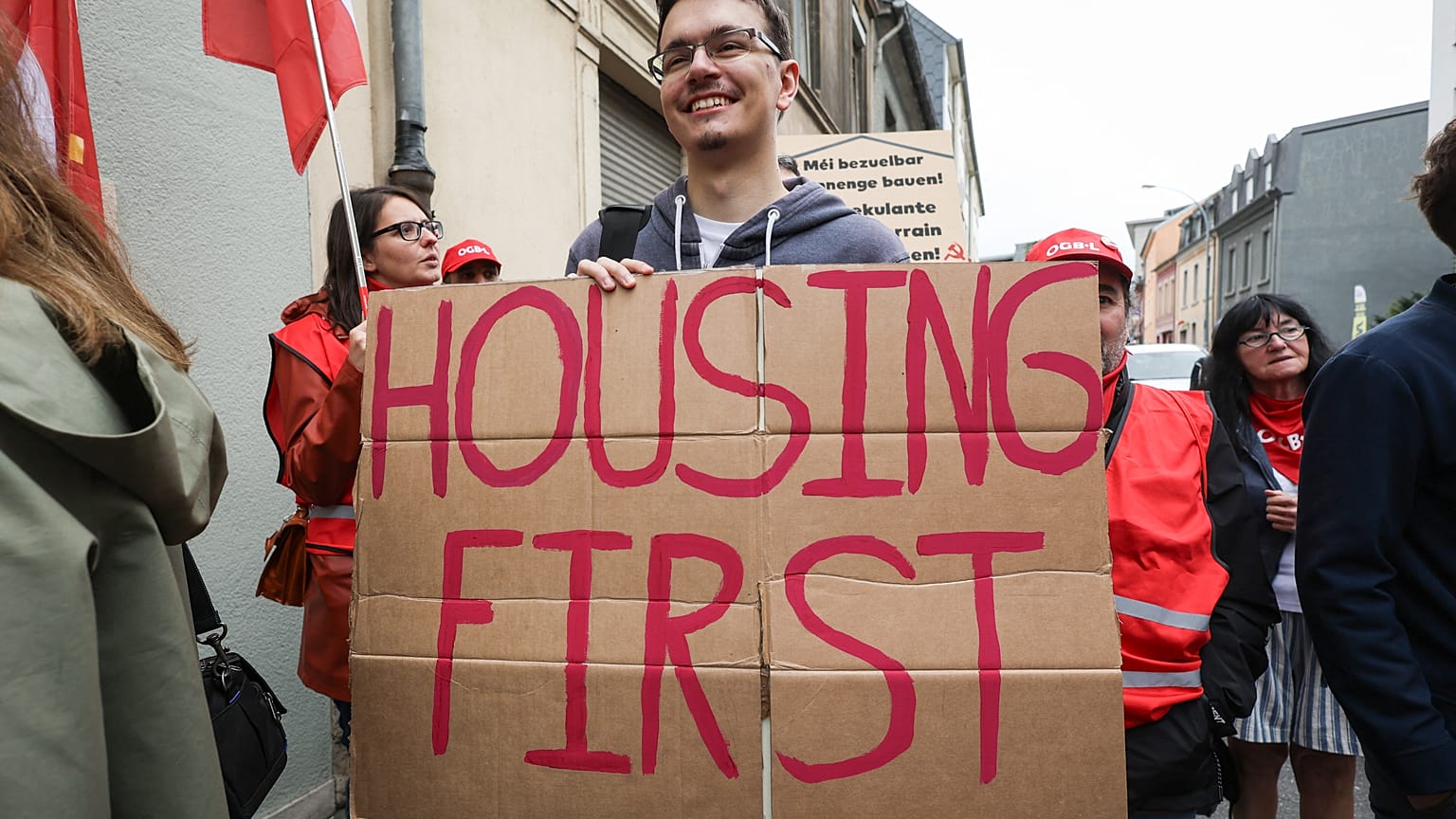
This isn’t abstract. It’s why young Italians emigrate, French graduates delay kids, and Germans under 30 worry their pensions will be crumbs. The system disincentivizes having children—the very thing that would fix the dependency ratio—because parents already subsidize everyone else’s retirement.
Protests, Reforms, and the Generational Backlash
When governments try to fix it—raising retirement ages or trimming benefits—the streets fill with protesters. But here’s the twist: it’s often the young marching against reforms that would actually make the system sustainable for their future. In France and Italy, youth have re-energized anti-reform rallies, even as data shows current pensioners are the real winners.
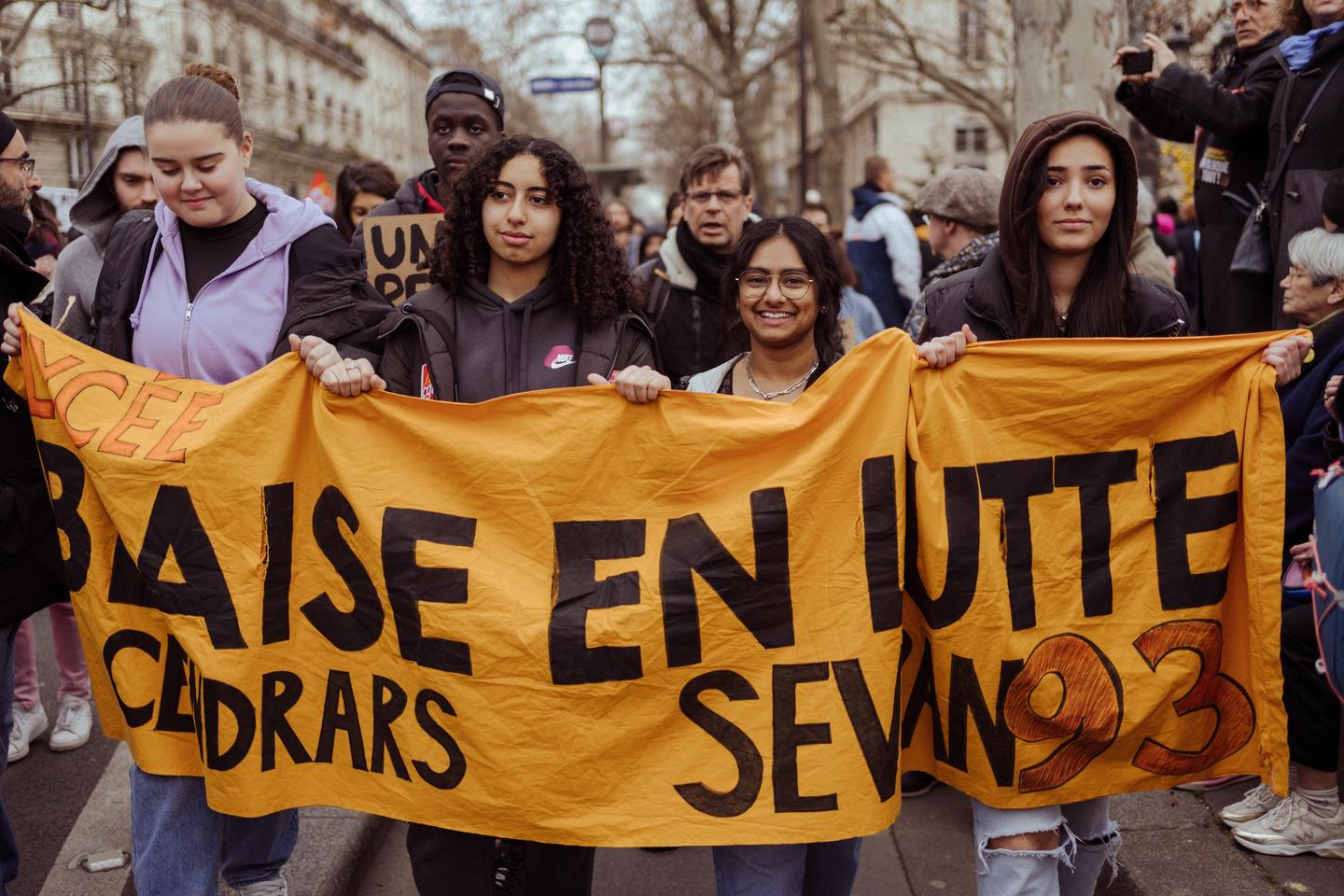
Young Europeans aren’t against fairness—they’re demanding it. Groups like Europe’s youth organizations warn that without deep reform, they’ll retire later with less security. Some propose “child pensions” or incentives for families to break the cycle. Others call for shifting to funded systems where your own savings, not your neighbor’s kids, pay for your retirement.
Can Europe End This War?
The good news? Awareness is growing. Recent reforms in Germany, France, and Italy nibble at the edges—voluntary later retirement, private savings top-ups. But real change requires honesty: PAYG was a miracle for the boomers, a burden for everyone after. Europe needs higher fertility (via family policies, not just rhetoric), skilled immigration that actually contributes, and a fairer split between generations. Otherwise, the young will keep paying—and eventually stop playing along.
The “war” metaphor stings because it’s true. Europe didn’t mean to sacrifice its youth on the altar of comfortable retirements. But good intentions plus bad demographics equal a raw deal for anyone born after 1980. The pensions must be paid—but not by mortgaging the future of the next generation.


No comments:
Post a Comment