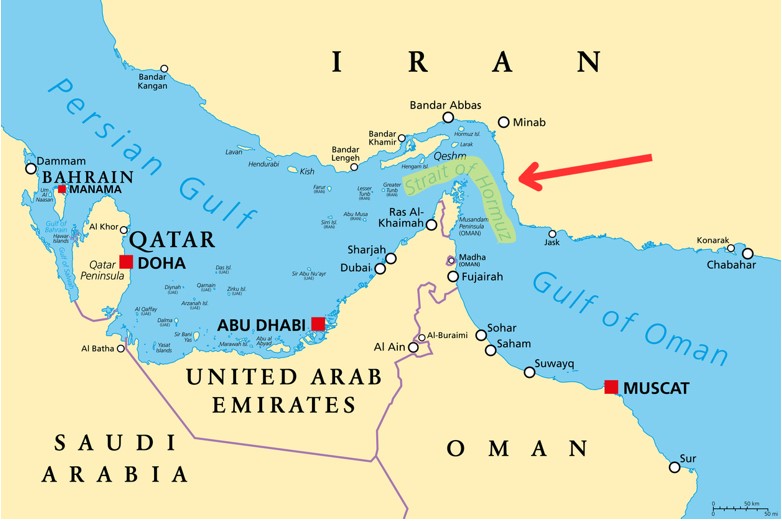
On April 7, 2026, just hours before a self-imposed deadline that carried threats of devastating strikes, President Donald Trump announced a two-week ceasefire with Iran. The agreement hinges on Iran allowing the "complete, immediate, and safe opening" of the Strait of Hormuz — the narrow chokepoint through which roughly 20-30% of global oil trade passes. In exchange, the United States agreed to suspend bombing and attacks on Iranian targets.
Trump described the move as progress toward a "definitive" long-term peace agreement, noting that Iran had put forward a 10-point proposal he called a "workable basis" for negotiations. Both sides claim elements of victory: the U.S. points to reopened shipping lanes and halted escalation, while Iranian officials frame it as standing firm against maximum pressure.
The Strategic Stakes: Why the Strait of Hormuz Matters
The Strait of Hormuz is one of the world's most critical maritime arteries. Located between Iran and Oman, it connects the Persian Gulf to the Gulf of Oman and the Arabian Sea. Any disruption here sends shockwaves through global energy markets.
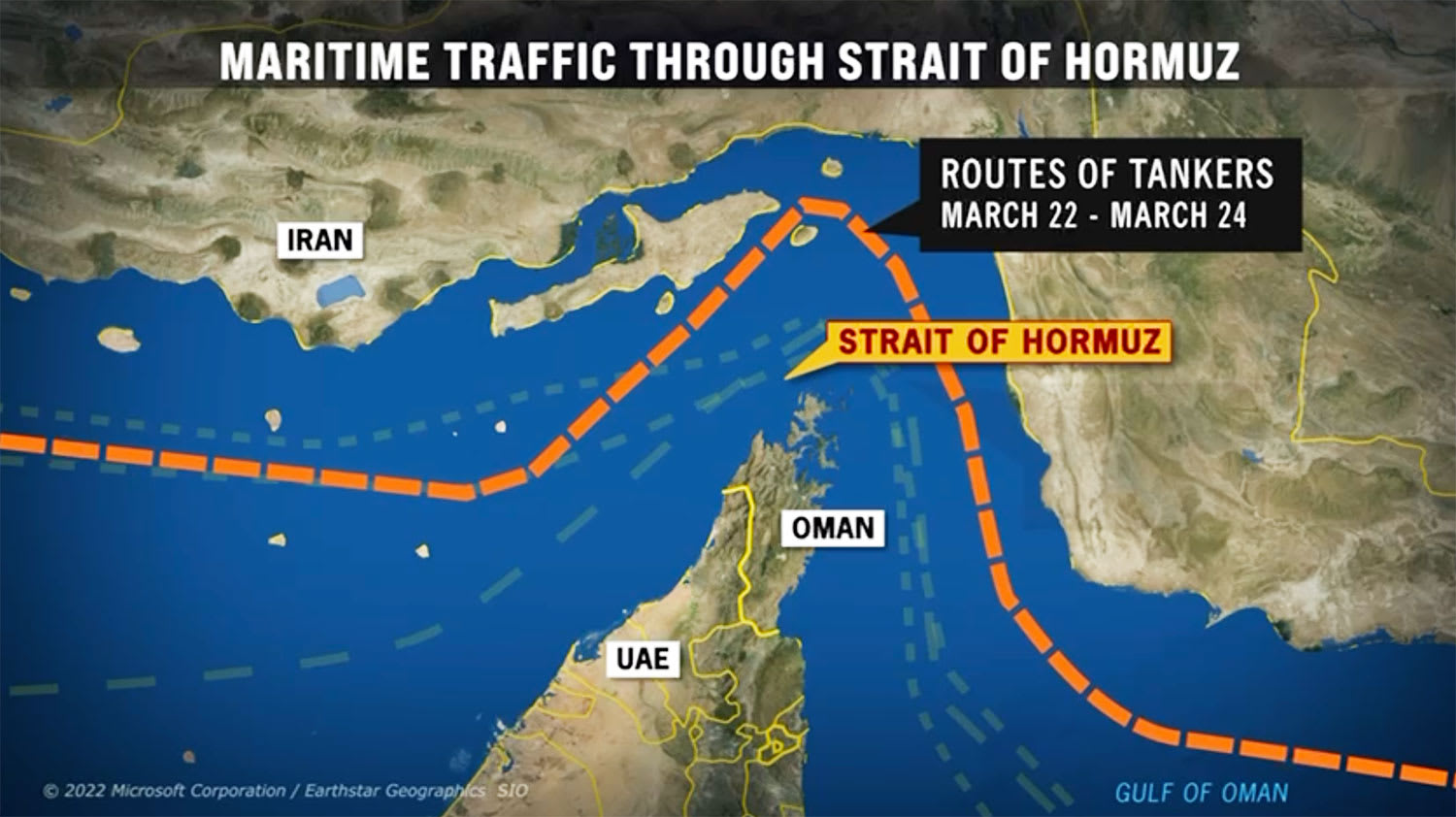
During the recent escalation, shipping slowed dramatically, oil prices spiked, and fears of broader conflict rattled economies worldwide. The two-week ceasefire and commitment to safe passage have already triggered relief in markets, with oil prices falling and stocks rising. Yet this reprieve is temporary — negotiations are set to continue, reportedly in Islamabad with Pakistani mediation.
A Partial Political Win for Trump
From a domestic and political standpoint, the deal allows Trump to claim he used tough rhetoric and military leverage to force concessions without crossing into a full-scale war that could have involved strikes on power plants, bridges, or other infrastructure. He has publicly hailed it as a step toward "world peace" and meeting U.S. military objectives.
The ceasefire buys time: two weeks to hammer out details on a broader settlement, potentially addressing nuclear concerns, sanctions, and regional stability. Supporters argue this "escalate to de-escalate" approach pressured Iran into reopening the strait when diplomacy alone might have failed.
The High Costs – Short and Long Term
However, the path to this agreement carries significant costs:
- Economic Volatility: The conflict already disrupted global energy flows, raised inflation fears, and strained supply chains. Even with the ceasefire, lingering uncertainty could keep markets jittery.
- Eroded Credibility and Trust: Dramatic threats followed by a last-minute pullback raise questions about U.S. consistency. Iran portrays the outcome as a win, claiming the U.S. effectively adopted elements of its proposals. Allies like Israel have reportedly expressed unease with the terms and timing.
- Human and Regional Toll: The preceding weeks of strikes caused casualties, damage to infrastructure, and heightened tensions across the Middle East. A temporary pause does not resolve deeper issues — Iran's nuclear program, missile capabilities, proxy networks, or longstanding U.S.-Iran animosity.
- Global Perception: As one analysis noted, the episode may have altered how the world views American power and decision-making under pressure. Brinkmanship succeeded in the short run but risks normalizing high-stakes ultimatums that could backfire in future crises.
What Comes Next?
The ceasefire is a pause, not a resolution. Talks in the coming days will test whether the 10-point framework can bridge gaps on sanctions relief, enrichment limits, regional de-escalation, and security guarantees. Success could mark a rare diplomatic breakthrough in a volatile region; failure risks renewed escalation once the two weeks expire.
For now, the world has avoided an immediate catastrophe involving one of the planet's most vital energy arteries. Oil tankers may soon resume smoother passage, but the underlying conflicts remain unresolved. This deal illustrates both the power and the perils of high-stakes diplomacy: a partial win secured at a tangible cost in credibility, stability, and economic ripple effects.
The coming negotiations will determine if this temporary truce becomes a stepping stone to lasting peace — or merely a delay before the next round of confrontation.


No comments:
Post a Comment