Game theory is the cheat code to life: Game theory can explain humanity’s biggest problem


Imagine if life came with a cheat code—not for unlimited money or invincibility, but for better decisions. Good news: it kind of does. It’s called game theory.

Game theory isn’t just for economists, mathematicians, or poker champions. At its core, it’s the study of how people make decisions when outcomes depend on the choices of others. And once you start seeing life through this lens, everything—from relationships to careers—starts making a lot more sense.


What Is Game Theory (Without the Boring Stuff)?

Game theory is about:

  • Choices

  • Consequences

  • Incentives

  • Strategy

Any situation where your success depends partly on what someone else does is a “game.” That includes:

  • Negotiating salary

  • Building trust in relationships

  • Competing at work

  • Parenting

  • Even deciding when to speak… or stay silent

Life is not a solo game. It’s multiplayer.


The Prisoner’s Dilemma: Life in One Lesson

One of the most famous ideas in game theory is the Prisoner’s Dilemma. Two people must choose: cooperate or betray.

  • If both cooperate → both win moderately

  • If one betrays → betrayer wins big, the other loses

  • If both betray → both lose

Sound familiar?
It should—this plays out daily in marriages, friendships, offices, and politics.

Life lesson:
Short-term selfish wins often destroy long-term success.


Why Nice People Don’t Always Win (And Why Smart Ones Do)

Game theory doesn’t say “be selfish” or “be nice.”
It says: be strategically kind.

Research shows the most successful long-term strategy is:

Cooperate first, then mirror behavior.

In simple words:

  • Start with trust

  • Reward cooperation

  • Don’t tolerate repeated betrayal

This is why people who are endlessly nice get exploited—and people who are endlessly ruthless end up isolated.

Balance is the cheat code.


Game Theory in Everyday Life

Once you understand game theory, you start asking smarter questions:

  • What incentives drive this person?

  • What happens if I act first?

  • Is this a one-time game or a long-term one?

You stop reacting emotionally and start playing intelligently.

Examples:

  • In careers: Reputation beats shortcuts

  • In relationships: Consistency beats grand gestures

  • In conflict: Calm strategy beats loud emotion


The Ultimate Cheat Code: Think Long-Term

Most people lose at life because they:

  • Chase instant gratification

  • Burn bridges for small wins

  • Forget they’ll meet the same players again

Game theory reminds us:

Life is a repeated game.

Your actions today shape how people treat you tomorrow.


Final Thought

Game theory doesn’t turn life into a cold calculation.
It turns chaos into clarity.

When you understand incentives, trust, and strategy, you stop asking:

“Why is this happening to me?”

And start asking:

“What’s the smartest move here?”

The Gestalts of Culture: Why Teams Don’t Behave the Way You Think They Do


 In organizations, leaders often assume that teams behave as a simple sum of individual personalities, skills, and motivations. Hire smart people, define clear roles, set goals—and performance should follow. Yet reality regularly proves otherwise. Teams with talented individuals fail, while average teams outperform expectations. To understand this paradox, we need to look beyond individuals and into the gestalts of culture—the invisible patterns that shape how teams actually behave.

Understanding Gestalt Thinking in Culture

The term gestalt comes from psychology and means “the whole is greater than the sum of its parts.” Applied to culture, it suggests that team behavior emerges from shared norms, unspoken rules, and collective meaning rather than individual intent. Culture is not written in policy manuals; it lives in habits, reactions, and assumptions that develop over time.

When people enter a team, they don’t just bring their skills—they adapt to the existing gestalt. They learn what is rewarded, what is risky, and what is quietly discouraged. This collective pattern often overrides personal values or preferences, explaining why reasonable people behave in surprisingly unreasonable ways at work.


Why Good Teams Make Bad Decisions

One of the most confusing aspects of team behavior is how intelligent groups can make poor decisions. This happens because cultural gestalts prioritize belonging over correctness. If a team’s culture subtly discourages dissent, members may self-censor to avoid conflict. Over time, silence becomes agreement, and flawed ideas go unchallenged.

This is why “psychological safety” matters—but not in the way it’s usually discussed. Safety isn’t created by slogans or open-door policies. It emerges from repeated experiences where speaking up leads to curiosity instead of punishment. Without that pattern, teams default to compliance, not collaboration.

The Hidden Rules That Actually Run Teams

Every team operates by two rulebooks: the official one and the real one. The real rules sound like this:

  • Don’t question senior people in public

  • Speed matters more than accuracy

  • Failure is tolerated, but only once

  • Harmony is valued more than honesty

These rules are rarely stated, yet everyone learns them quickly. They form the team’s cultural gestalt. Leaders who ignore these hidden rules often feel confused when their well-intended changes fail. Culture doesn’t change because someone announces new values—it changes when everyday behaviors shift.


Why Incentives Often Backfire

Many organizations try to fix team behavior with incentives: bonuses, KPIs, performance reviews. But incentives interact with culture in unpredictable ways. In a competitive culture, rewards can encourage hoarding information. In a fear-based culture, metrics encourage gaming the system rather than real improvement.

The gestalt matters more than the incentive. People respond not to what leadership says is important, but to what the team collectively experiences as safe, smart, and socially acceptable.

Changing Team Behavior Means Changing the Gestalt

If you want teams to behave differently, you must change the pattern—not the people. This means paying attention to:

  • Who speaks and who stays silent

  • How mistakes are discussed

  • What behaviors get praised informally

  • What actually happens after feedback is given

Small, consistent changes—like leaders admitting uncertainty or rewarding thoughtful disagreement—can slowly reshape the cultural gestalt. Over time, new behaviors feel natural, not forced.

Conclusion: Stop Managing People, Start Understanding Patterns

Teams don’t behave the way you think they do because behavior doesn’t come from individuals alone—it comes from culture as a living system. The gestalts of culture quietly shape decisions, communication, and performance every day.

Is ChatGPT Making Us Stupid?


In the age of artificial intelligence, tools like ChatGPT have become ubiquitous. From drafting emails to generating code, these AI models promise to make our lives easier. But a nagging question persists: Are they making us dumber? This debate echoes Nicholas Carr's famous 2008 essay, "Is Google Making Us Stupid?" where he argued that the internet was rewiring our brains for skimming rather than deep reading. Fast-forward to 2026, and with ChatGPT's evolution into even more sophisticated versions, the concern has intensified. In this blog, we'll explore both sides of the argument, drawing on recent studies and expert opinions to see if AI is truly eroding our cognitive abilities or if it's just another tool in humanity's long history of technological augmentation.

The Case for "Yes": AI as a Cognitive Crutch

Critics argue that over-reliance on ChatGPT could atrophy our mental muscles, much like how calculators diminished our arithmetic skills. A 2024 study from the University of California, Irvine, found that students who used AI tools for essay writing showed a 15% decline in original critical thinking scores over a semester. The reasoning? When AI handles the heavy lifting—researching, outlining, and even phrasing—users skip the iterative process of thinking deeply, making mistakes, and learning from them.

Moreover, AI's instant answers might shorten our attention spans. Neuroscientist Maryanne Wolf, in her updated 2025 book Reader, Come Home: The Reading Brain in a Digital World, warns that generative AI exacerbates "continuous partial attention," where we multitask but never fully engage. This could lead to a society that's great at prompting but poor at independent problem-solving. Anecdotal evidence from tech forums like Reddit supports this: users report feeling "lazier" in coding after leaning on ChatGPT, with one thread noting a 20% drop in personal debugging skills among junior developers.

On a broader scale, there's the risk of intellectual dependency. If AI becomes the default for knowledge retrieval, we might lose the serendipity of human discovery. Philosopher Daniel Dennett has likened this to "competence without comprehension," where we achieve results without understanding the underlying mechanisms. In education, this manifests as plagiarism scandals, but the deeper issue is stunted growth. A 2025 OECD report on AI in schools highlighted that excessive use correlated with lower scores in subjects requiring creativity, like literature and history.

The Case for "No": AI as a Cognitive Enhancer

On the flip side, proponents view ChatGPT as a amplifier, not a replacer, of human intelligence. Just as the printing press democratized knowledge without making us stupider, AI could free us from rote tasks to focus on higher-order thinking. A 2025 meta-analysis by MIT researchers reviewed over 50 studies and concluded that AI-assisted learning improved problem-solving efficiency by 25%, particularly in STEM fields. By handling mundane aspects, ChatGPT allows users to iterate faster, experiment more, and tackle complex problems that were previously out of reach.

Furthermore, AI can spark curiosity. Tools like ChatGPT encourage exploration—asking "what if" questions that lead to deeper dives. Educator Sal Khan, founder of Khan Academy, argues in his 2024 TED Talk that AI tutors personalize learning, adapting to individual needs and boosting retention rates by up to 30%. This isn't dumbing down; it's smartening up underserved populations.

Critically, human-AI collaboration often yields superior results. In creative industries, a 2026 survey by Adobe found that designers using AI tools produced 40% more innovative work, as the AI suggested novel ideas that humans refined. Far from making us stupid, this symbiosis enhances our capabilities. As xAI's own Grok might say, AI is like a bicycle for the mind, pedaling us toward greater intellectual heights—a nod to Steve Jobs' famous analogy.

Balancing the Scales: The Real Impact Depends on Us

So, is ChatGPT making us stupid? The evidence suggests it's not inherently so; the outcome hinges on how we use it. Mindless dependence could indeed dull our edges, but intentional integration—treating AI as a sparring partner rather than a crutch—can sharpen them. Recommendations from experts include:

  • Active Engagement: Always verify AI outputs and explain them in your own words to reinforce learning.
  • Digital Hygiene: Set limits on AI use, like "no AI for first drafts" in writing exercises.
  • Education Reform: Schools should teach "AI literacy," emphasizing when and how to use tools ethically.

In 2026, with AI advancing rapidly, the key is mindfulness. As Carr reflected in a recent interview, technology shapes us, but we shape technology too. Let's ensure ChatGPT becomes a stepping stone, not a stumbling block, to human ingenuity.

What do you think? Share your experiences in the comments below—has AI made you smarter or lazier?

The Benefits of Mindfulness Meditation


In a world full of distractions, stress, and constant pressure, mindfulness meditation has emerged as a powerful practice for improving mental, emotional, and physical well-being. Mindfulness meditation is the art of paying attention to the present moment with awareness and without judgment. Practiced regularly, it helps individuals reconnect with themselves and develop a calmer, more balanced life.

Reduces Stress and Anxiety

One of the most important benefits of mindfulness meditation is its ability to reduce stress and anxiety. By focusing on the breath and observing thoughts without reacting to them, the mind begins to slow down. This practice helps lower stress hormones and promotes relaxation. Over time, mindfulness meditation trains the brain to handle stressful situations with greater calm and clarity.

Improves Focus and Concentration

Mindfulness meditation strengthens attention and mental focus. Instead of constantly switching between tasks or worrying about the future, the mind learns to stay present. This improved focus enhances productivity, learning ability, and memory. Students and professionals alike benefit from sharper concentration through regular mindfulness meditation practice.

Enhances Emotional Health

Practicing mindfulness meditation increases emotional awareness and control. It helps individuals understand their emotions rather than being overwhelmed by them. As a result, mindfulness meditation can reduce symptoms of depression, improve mood, and increase feelings of happiness and inner peace. It also encourages self-acceptance and emotional resilience.

Supports Physical Health

The benefits of mindfulness meditation extend beyond mental health. Research shows that mindfulness meditation can help lower blood pressure, improve heart health, and strengthen the immune system. It is also effective in managing chronic pain by changing how the brain responds to discomfort. Many people experience improved sleep quality due to the calming effects of mindfulness meditation.

Builds Self-Awareness and Compassion

Through mindfulness meditation, individuals become more aware of their thoughts, habits, and reactions. This self-awareness promotes personal growth and healthier relationships. Mindfulness meditation also cultivates compassion by reducing negative self-talk and increasing empathy toward others.

Simple and Accessible Practice

One of the greatest advantages of mindfulness meditation is its simplicity. It does not require special tools or a specific location. Just a few minutes a day—at home, at work, or outdoors—can bring noticeable benefits. Consistency is more important than duration when practicing mindfulness meditation.


Conclusion

Mindfulness meditation is a simple yet powerful practice that nurtures the mind and body. By reducing stress, improving focus, enhancing emotional well-being, and supporting physical health, mindfulness meditation offers a natural path to a balanced and peaceful life. With regular practice, even a few minutes a day can lead to lasting positive changes.


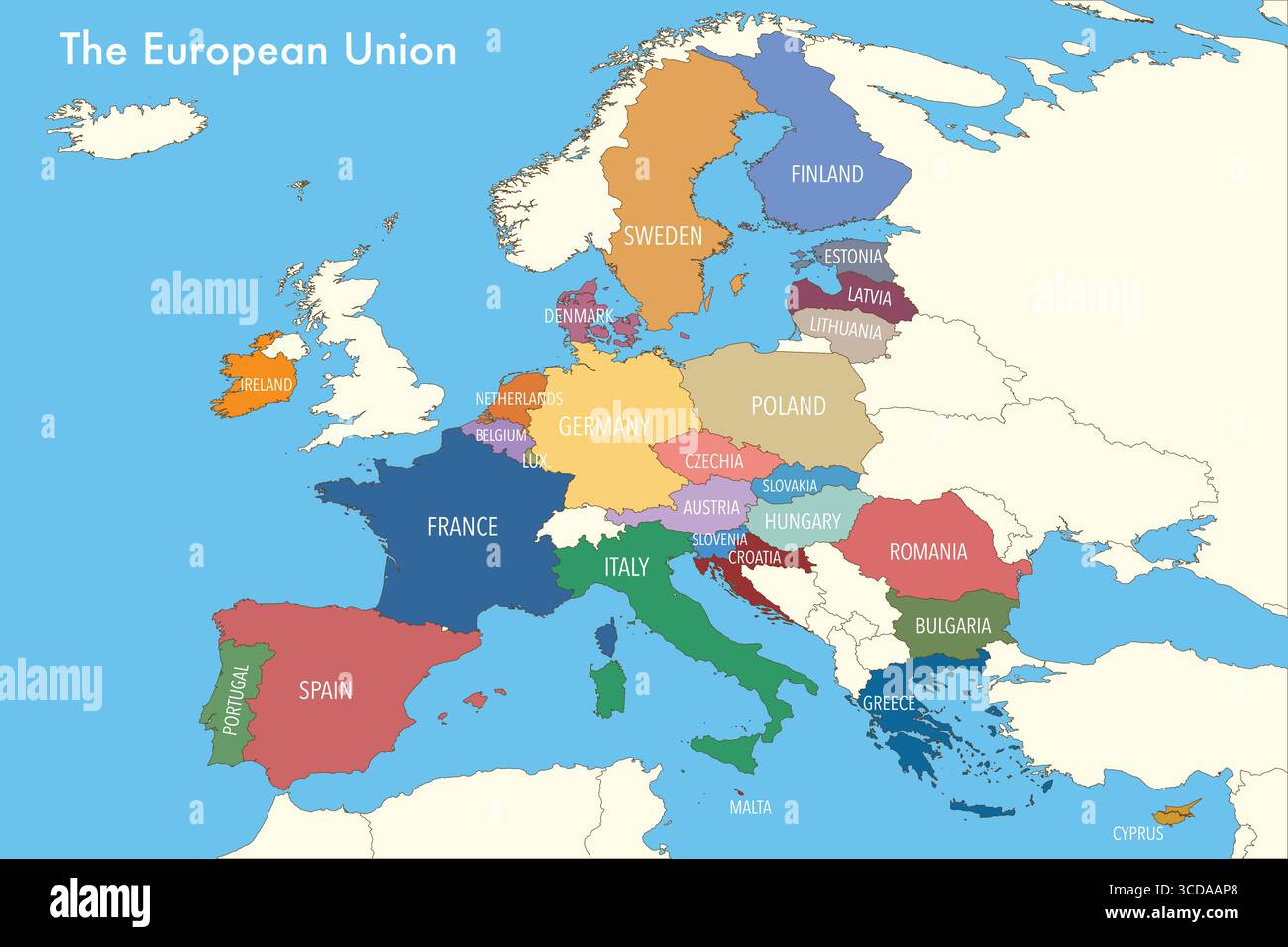
JD.com’s European Push Pits Chinese Retailer Against Amazon: Joybuy’s Bold Challenge in the E-Commerce Arena

  In a major move shaking up the global retail landscape, Chinese e-commerce giant JD.com has officially launched its new platform Joybuy ...