Pages

Gaslighting Stops The Moment You Respond Like This


Gaslighting: Warning Signs, Examples, and How to Respond

The secret isn’t yelling, arguing, or trying to “win” the conversation. It’s responding with calm, firm, reality-anchored statements that refuse to play the gaslighter’s game. When you do this, the power dynamic shifts instantly.

What Exactly Is Gaslighting?

Gaslighting happens when someone deliberately makes you doubt your reality. Classic lines include:

  • “You’re too sensitive.”
  • “That never happened.”
  • “You’re imagining things.”
  • “You’re crazy/overreacting.”

It’s common in romantic relationships, friendships, family dynamics, and even workplaces. Over time, it leaves you anxious, confused, and dependent on the gaslighter for “the truth.”

Gaslighting Definition: Real Meaning in Mental Health

Gaslighting Definition: Real Meaning in Mental Health

The 5 Calm Responses That Shut Gaslighting Down Immediately

These aren’t aggressive comebacks — they’re simple, grounded statements that protect your truth without inviting debate. Use them exactly as written (or adapt slightly) and then disengage.

  1. “That’s what I heard / That’s what I experienced.” When they say “I never said that,” don’t argue the facts. Simply restate your reality calmly. This keeps you anchored and denies them the chance to rewrite history.
  2. “We don’t see things the same way. My reality is my reality.” This beautifully separates your truth from theirs. No debate needed. It signals you’re not open to negotiation on what you know happened.
  3. “I appreciate that’s your perspective, but this is how I feel.” Acknowledging their view (without agreeing) disarms them, then you firmly return to your emotions and experience. It shows you’re emotionally mature and not playing their game.
  4. “I’m not willing to discuss this if you’re going to twist my words.” This sets an immediate boundary. It tells them the conversation ends the moment manipulation starts. Then walk away or end the call — no explanation required.
  5. “I know what I know, and I’m standing by it.” Short, powerful, and unapologetic. It reclaims your authority without JADE (Justify, Argue, Defend, or Explain).

I-Statements Examples: A Workshop for Assertive Communication with  Difficult People
I-Statements Examples: A Workshop for Assertive Communication with Difficult People

Why These Responses Work So Well

Gaslighters thrive on your emotional reaction and endless debate. When you stay calm and refuse to engage on their terms, the manipulation loses its fuel. You stop feeding the cycle.

These phrases:

  • Protect your mental energy
  • Rebuild your self-trust
  • Signal that you’re no longer an easy target

How to Practice Them (So You’re Ready in the Moment)

  • Write the five responses on your phone notes or a sticky note.
  • Role-play with a trusted friend.
  • Remind yourself: “My job is not to convince them. My job is to protect my peace.”
  • After using one, immediately change the subject or leave the conversation.
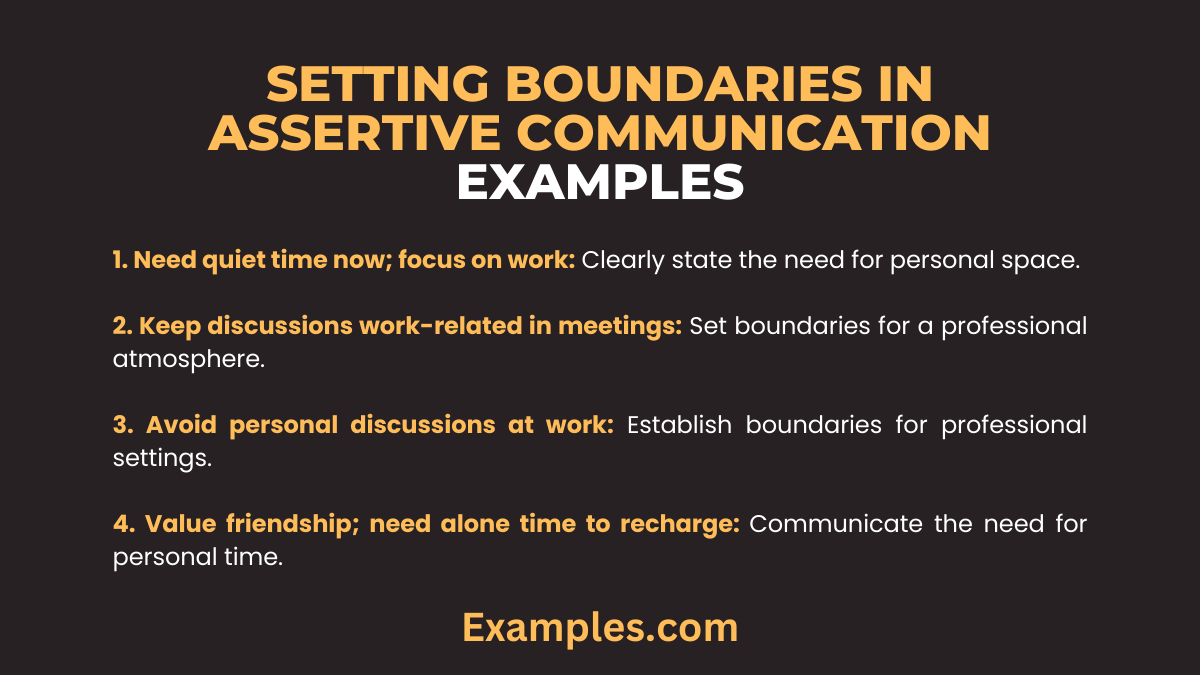
Practical Steps for Setting Boundaries with Manipulative People

Practical Steps for Setting Boundaries with Manipulative People

When to Take It Further

If gaslighting continues despite calm responses, it’s time to set bigger boundaries:

  • Limit contact (gray rock method works wonders)
  • Keep records of conversations
  • Talk to a therapist or trusted support person
  • In extreme cases, consider ending the relationship

You deserve relationships where your reality is respected, not questioned.

Final Thought

Gaslighting only works when you participate in the doubt. The moment you respond with calm confidence and stop defending your truth, the game ends.

You already know what happened. You already know how it felt. Trust that. Speak it. Protect it.

Your peace begins with one calm sentence.

How to Set Healthy Boundaries & Build Positive Relationships

How to Set Healthy Boundaries & Build Positive Relationships

Share this with someone who needs it. And remember: the strongest response is often the simplest — and the calmest.


The Dale Carnegie Promise That’s Keeping Thousands of Solopreneurs Broke


In 1936, Dale Carnegie published a book that would shape generations of business minds: How to Win Friends and Influence People. Its core promise was simple and seductive — master human relations, be genuinely interested in others, smile, remember names, and success (including financial success) will follow.

How to Win Friends and Influence People. - Raptis Rare Books | Fine Rare  and Antiquarian First Edition Books for Sale

How to Win Friends and Influence People. - Raptis Rare Books | Fine Rare and Antiquarian First Edition Books for Sale

For decades, this philosophy worked beautifully in corporate America, sales teams, and management training. But fast-forward to 2026, and something has gone terribly wrong.

Thousands of solopreneurs — freelancers, creators, coaches, consultants, and one-person online businesses — are still broke, exhausted, and frustrated. They’ve read the book. They’ve applied every principle. They network like crazy. They give value for free. They smile through Zoom calls and “build relationships.”

Yet their bank accounts stay empty.

The uncomfortable truth? The Dale Carnegie promise, taken at face value in today’s economy, is quietly keeping solopreneurs broke.

The Promise That Sounded So Good

Dale Carnegie taught that people do business with people they like. Become likable. Become influential. Win friends. The money will come.

It was revolutionary for its time. And parts of it are still timelessly true.

But here’s what Carnegie didn’t warn about in a solopreneur world:

  • There is no sales team behind you.
  • There is no marketing department writing your ads.
  • There is no HR handling difficult conversations.
  • There is no company brand shielding you — it’s just you.

When it’s only you, “winning friends” can easily slide into people-pleasing, over-giving, and avoiding the hard parts of business.

The story of Dale Carnegie, famous self-help author and the original sales  influencer

The story of Dale Carnegie, famous self-help author and the original sales influencer

How the Carnegie Trap Plays Out for Solopreneurs

1. Endless Networking Instead of Building Offers You show up at every virtual summit, LinkedIn happy hour, and industry meetup. You collect connections like Pokémon cards. You send thoughtful follow-up messages. You “stay top of mind.”

Meanwhile, your actual product or service sits half-finished. You have 500 “friends” but zero paying clients who came from those relationships.

2. The Free Value Black Hole Carnegie said: “Give honest and sincere appreciation.” Solopreneurs heard: “Give away your best advice for free.” You write long LinkedIn posts. You jump on discovery calls that turn into free coaching sessions. You answer DMs at midnight. Everyone loves you. No one pays you.

3. Sales Feels “Sleazy” Carnegie emphasized making the other person feel important. Many solopreneurs interpret this as “never be pushy.” So they dance around the ask. They end calls with “Let me know if you need anything!” instead of “Here’s how we can work together starting next week.” Influence without a clear offer is just expensive friendliness.

How to prepare for a successful business networking event

How to prepare for a successful business networking event

4. Boundaries? What Boundaries? The book teaches you to avoid arguments and make the other person feel right. Great for keeping peace. Terrible for protecting your time and rates. Clients ask for “just one more revision.” Prospects negotiate you down. You say yes because you want to be liked. Your profit margin disappears while your calendar fills with people who respect your time… less.

The New Rules Solopreneurs Actually Need

This isn’t about throwing Carnegie’s wisdom in the trash. It’s about updating it for a solo business in 2026.

Build relationships after you have a clear, high-value offer — not instead of one. ✅ Be likable, but charge what you’re worth — people-pleasing and profitability are not the same thing. ✅ Master direct response marketing and sales — the algorithms don’t care how nice you are. ✅ Use systems and automation — your time is your only inventory. ✅ Be generous with the right people — the ones who have already paid you or shown serious intent.

The solopreneurs who are quietly getting rich aren’t the ones with the most LinkedIn connections. They’re the ones who combined Carnegie’s warmth with modern ruthlessness: crystal-clear offers, strong boundaries, repeatable marketing systems, and the courage to ask for the sale.

Stop Winning Friends. Start Winning Clients.

Dale Carnegie was right about one massive thing: people still buy from people they know, like, and trust.

But in 2026, they also buy from people who make it obvious how to buy, who deliver real results, and who don’t waste their own time trying to be universally liked.

If you’re a solopreneur who’s been stuck in the “be nice and the money will come” loop — it’s time to break it.

Keep the smile. Keep the genuine interest in others. But pair it with sharp offers, clear pricing, and the willingness to say “no” when it protects your business.

The Dale Carnegie promise didn’t lie. We just misunderstood what “influence” actually looks like when you’re building a business by yourself.

Now go build something people will happily pay for — and watch the friendships turn into revenue.